Tumbler Camping
A Designer’s First Glance: Warm, Whimsical, and Ready for Real Fabric
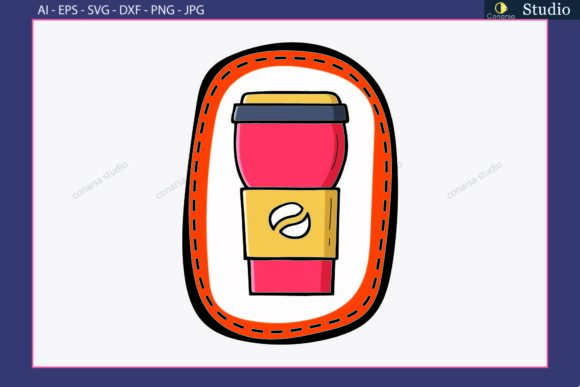
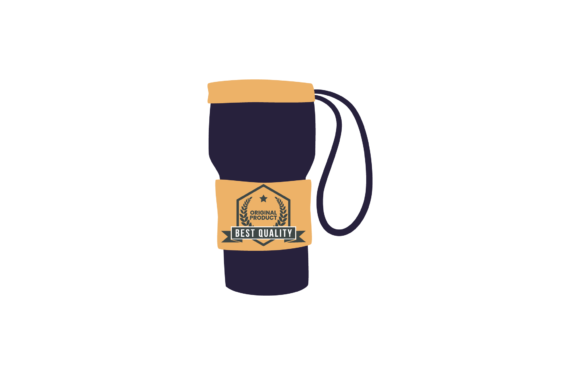
When I opened Tumbler Camping for the first time, I didn’t see just another camping icon—I saw a quiet campfire moment frozen in clean vector lines: a rustic tumbler with a pine branch handle, nestled beside a tiny tent, a crescent moon, and soft mountain silhouettes. It’s not overly detailed, but it’s intentionally expressive—friendly enough for a baby onesie, grounded enough for a boutique apron, and balanced enough to hold its own on a textured tote bag. As an embroidery designer who’s stitched hundreds of icons for Etsy sellers and local craft fairs, I immediately asked: Will this translate cleanly from screen to stitch? And more importantly—will my customers feel the warmth when they hold the finished product?
Where Tumbler Camping Shines in Real Embroidery Projects
I tested Tumbler Camping as part of a custom embroidered kitchen towel set for a small shop client—a spring-themed line with earthy linen towels and hand-stitched labels. The design scaled beautifully at 3.5 inches wide, sitting neatly above a simple “Camp & Sip” script. Its open negative space allowed satin-stitch outlines to pop without overcrowding the fabric, and the clean curves held up even on slightly uneven weaves. It worked equally well as a standalone patch on a denim jacket sleeve and as a subtle chest emblem on a lightweight sweatshirt.
This is where Tumbler Camping earns its place among reliable Icons: it’s versatile without being generic. Unlike busier camping motifs packed with tents, trees, and campfires, this one breathes. That breathing room matters—especially on baby embroidery, where dense fill stitches can stiffen delicate cotton knit, or on tea towels where thread buildup affects absorbency. For holiday embroidery (think cabin-themed Christmas gifts), it reads instantly—cozy, calm, and handmade—not mass-produced.
Where to Pause—and Plan Ahead
Tumbler Camping isn’t magic. It won’t hide poor stabilizer choice or compensate for stretchy fabric. On thin jersey tees, I recommend using tear-away + cut-away combo stabilizer—especially under the tumbler’s curved base—to prevent puckering. On caps or curved surfaces, test the placement early: the mountain silhouette sits low, so avoid positioning it too close to the bill seam where distortion happens.
Small hoop sizes (under 4" x 4") require attention. While the core graphic fits comfortably, the full composition—including subtle moon and pine sprig—may need slight cropping for tight hoops. If you’re planning an embroidered patch, confirm whether your digitizer preserves the clean line integrity in satin-stitch borders; some auto-digitizers overfill the tumbler’s handle, losing its delicate taper. Also—check contrast. On dark fabric, light thread colors (like ecru or pale sage) read softly, not faintly. That’s a mood, not a flaw—but only if intentional.
How It Elevates Your Handmade Product—and Your Customer’s Experience
Customers don’t buy icons—they buy feeling. When someone sees Tumbler Camping stitched onto a linen pillow cover in their friend’s cabin living room, they don’t think “oh, a tumbler.” They think *“I want that calm. I want that slow morning.”* That emotional resonance lifts perceived value. A $28 embroidered tote bag feels like a curated lifestyle piece—not just merch—because Tumbler Camping carries tone, not just theme.
For Etsy sellers and small shop owners, that matters deeply. This design supports brand consistency across product types: same motif on a patch, a sweatshirt, and a printable mockup for your listing visuals. It doesn’t shout—it invites. And because it avoids trendy fonts or dated clipart textures, it stays fresh across seasons. No rebranding needed for fall or winter; just switch thread colors (charcoal gray + forest green for autumn, icy blue + cream for winter) and keep stitching.
Practical Notes Every Embroidery Designer Should Check
- Test first—always run Tumbler Camping on scrap fabric matching your final project’s weight and weave.
- Review stitch density before sending to machine—especially in the tumbler’s base and mountain outline. Overly dense fills can overwhelm lightweight fabrics.
- Confirm hoop size compatibility—the 1920 px × 1280 px canvas gives flexibility, but your actual embroidery file dimensions depend on how it was digitized. Don’t assume it’s ready for 5" x 7" without verifying.
- Inspect small details in black-and-white mockups—does the pine sprig still read clearly at 2.5"? Does the moon retain shape on dark backgrounds?
- Use proper stabilizer—medium-weight cut-away for stable wovens, fusible for knits, and always baste for layered garments like reversible aprons.
- Check licensing before selling finished items or reselling the digital embroidery file. As a Graphics asset, its commercial use terms may vary—verify before adding to your craft business inventory or Etsy digital shop.
Final Thought: A Quiet Design With Big Practicality
Tumbler Camping isn’t flashy. It doesn’t try to be everything. But in the hands of a thoughtful designer—or a small business owner building a cohesive, heartfelt product line—it becomes quietly powerful. It works for personalized gifts that feel meaningful, for commercial embroidery projects that land with authenticity, and for handmade products that customers display proudly—not stash away. It’s the kind of design that makes people pause, smile, and say, “Yes—that’s exactly the vibe I wanted.” And in our world of rushed production and algorithm-driven trends, that kind of resonance is rare. Keep it. Stitch it. Trust it.